What Affects the Price of Windows and Doors?
The 8 factors that determine the price of uPVC and aluminium windows, how to compare two quotes fairly and what may not be included.
Advice
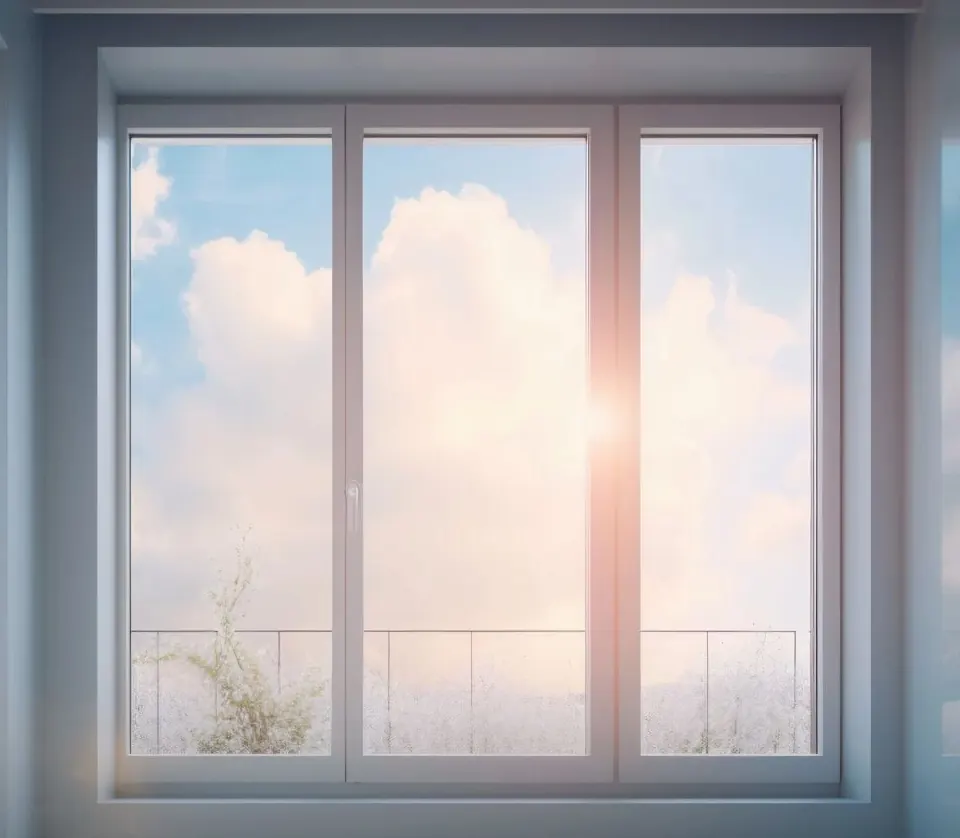
Indoor air carries water vapour from cooking, washing, drying clothes and breathing. When it meets cold glass or frames, the vapour condenses into droplets. The colder the surface and the higher the humidity, the more condensation.
Persistent condensation can indicate old windows with poor insulation, damaged seals or installation without good perimeter insulation. New windows with good glazing keep the inner surface warmer, so condensation drops. Light external condensation on cold, clear mornings can occur even with highly insulating glass and is not a defect.
In most cases no: it results from humidity and temperature. If it is persistent, insulation, sealing and installation should be checked.
They reduce the risk but do not replace regular ventilation.
Roughly 40–60% is commonly recommended. Above that, condensation risk rises.
The corners and frame are the coldest parts of the window. Persistent condensation there can indicate thermal bridges or installation without good perimeter insulation.
The 8 factors that determine the price of uPVC and aluminium windows, how to compare two quotes fairly and what may not be included.
What affects window sound insulation: acoustic glass, seals, profile and installation. How to read the Rw value and what to ask.
Tell us about your building and we’ll reply within 24 hours.